
Opening Description
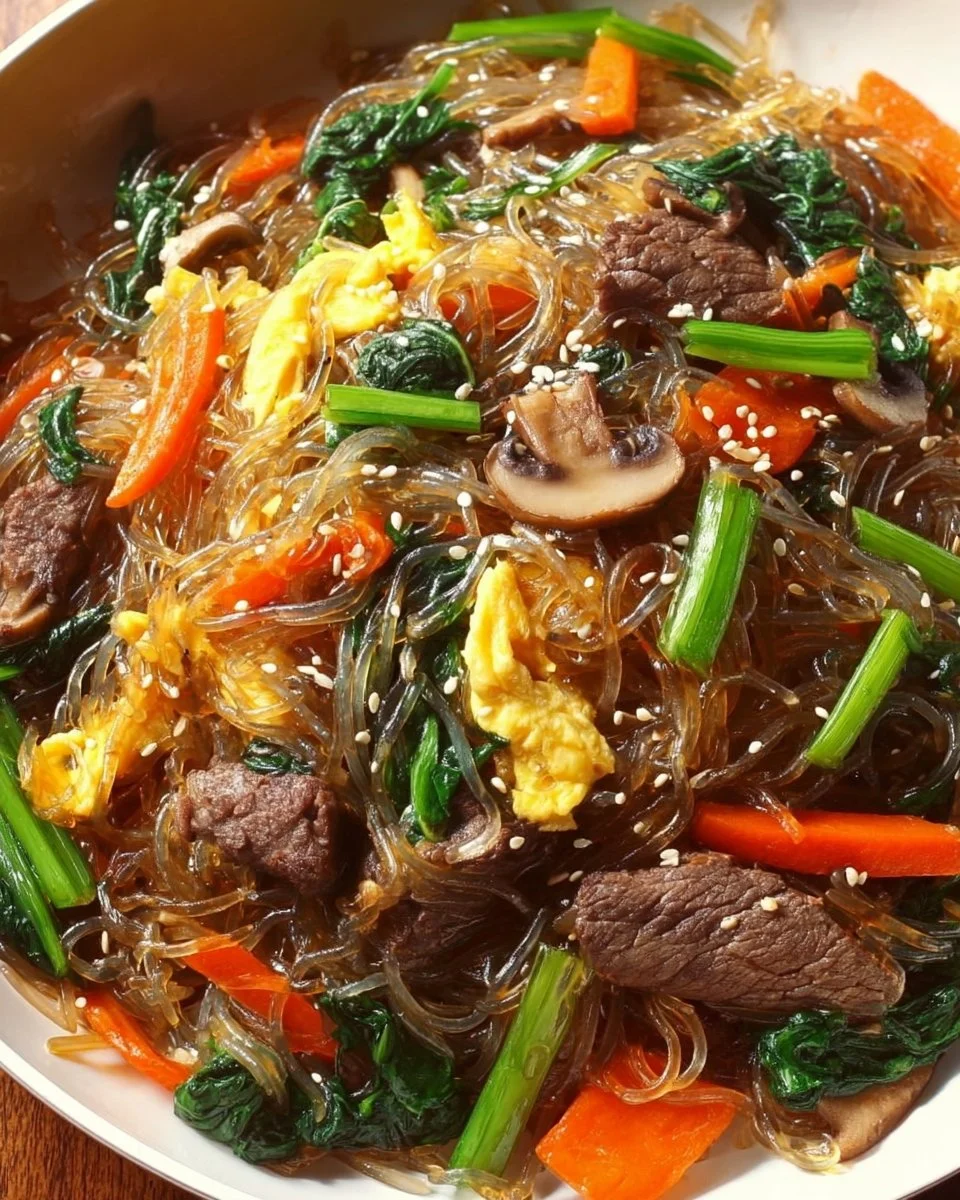
Imagine a vibrant stir-fry that captivates your senses with its colors, textures, and incredible aroma. As the heat from the pan kisses succulent slices of beef and fresh vegetables, the air fills with a delightful medley of savory scents, making your mouth water in anticipation. Your eyes dance over the rich, glossy strands of sweet potato glass noodles, glistening with the promise of tasty umami. Each bite of this Korean classic, Japchae, delights you with a harmonious blend of flavors that burst in your mouth—sweet, salty, and slightly nutty, all at once. The satisfying chewiness of the noodles combines beautifully with the tender vegetables and perfectly seared beef, creating a delightful tapestry of taste and texture.
This dish isn’t just food; it’s an experience that brings people together, woven with stories of family gatherings, celebrations, and rich culinary tradition. You can taste history in every forkful, reminding you of sun-soaked days in bustling Asian markets and long evenings of joyous conversation over fragrant meals. Prepare for a culinary adventure as we delve deeper into this beloved dish that finds its way into hearts—one delightful bite at a time.
Why You’ll Love This Japchae
Japchae stands out not only for its delicious flavor profile but also for its versatility and the joy it brings to gatherings. This dish satisfies with a perfect balance of sweet, savory, and nutty notes, paired with textures that tantalize your palate. The chewy glass noodles weave through the dish like a comforting hug, while the colorful vegetables add a refreshing crunch. It serves as an excellent centerpiece for family dinners, crafted for festive occasions, or simply a delightful weeknight meal that pleases everyone’s cravings.
The beauty of Japchae lies in its adaptability. Whether you’re looking for a hearty main dish or a vibrant side, you can easily customize this recipe to feature your favorite proteins—beef, chicken, or even tofu—making it a phenomenal choice for anyone’s table. This light yet satisfying meal fits beautifully during spring celebrations, holiday feasts, or casual weekday dinners. Plus, leftovers taste just as good, if not better, the following day, guaranteeing that each bite is a delicious memory.
Preparation Phase & Tools to Use
To create this stunning dish, having the right tools on hand is essential. Gather your trusted kitchen companions:
- Large Pot: For boiling the sweet potato glass noodles. Choose a sturdy pot with a wide base to give noodles plenty of room to move around.
- Large Non-Stick Pan or Wok: This helps prevent sticking when cooking beef and vegetables, allowing for effortless flipping and easy cleanup.
- Kitchen Shears: Perfect for cutting cooked noodles into manageable lengths for a better bite. They simplify the process exponentially.
- Cutting Board and Knife: A sharp knife and a sturdy cutting board will ensure safety and efficiency when chopping veggies and protein.
- Whisk and Mixing Bowls: For combining the sauce and eggs. Preparing this in a bowl gives you space to mix without mess.
Preparation tips can ease your cooking journey. Always cook ingredients in batches rather than cramming everything into the pan. This allows each component to cook evenly and to retain its individual flavors. As you gather ingredients, take a moment to appreciate their colors and aromas—they’re the foundation of your delicious meal.
Ingredients for Japchae
- 340 grams sweet potato glass noodles: These unique noodles add a chewy, satisfying texture and absorb flavors beautifully. You can substitute them with rice vermicelli if needed, but the glass noodles truly shine here.
- 450 grams beef (flank, skirt, or ribeye), thinly sliced: These cuts offer tender bites full of flavor. For a lighter option, swap the beef for chicken or tofu.
- 2 large eggs, beaten: Eggs provide creaminess and color to your dish. You can leave them out for a plant-based version.
- 1 large carrot, peeled and julienned: A sweet crunch that adds color and nutrients.
- 1 medium yellow onion, thinly sliced: Onions bring depth and aroma; choose red onions for a milder flavor.
- 3 mushrooms, thinly sliced: Shiitake or button mushrooms elevate the umami.
- 60 grams baby spinach, packed: Fresh spinach wilts down wonderfully while adding vitamins.
- 2 stalks green onion, cut into 2–3 cm pieces: Adds freshness and a mild onion-y bite.
- 105 millilitres light sodium soy sauce: This seasoning brings savory depth without overwhelming saltiness; low-sodium versions are a healthier choice.
- 45 millilitres honey: Sweetness balances the saltiness of the soy sauce. Maple syrup is a great alternative for a vegan twist.
- 30 grams brown sugar: Adds a caramel note; feel free to substitute with coconut sugar.
- 30 millilitres toasted sesame oil: This fragrant oil adds a key nutty aroma. Use regular sesame oil in a pinch, avoiding the toasted variety for a milder taste.
- Vegetable oil, as needed for cooking: Choose a neutral oil that can withstand higher heat.
- Salt and black pepper, to taste: These staples enhance every element of your dish.
- Toasted sesame seed, for garnish (optional): A flavorful finishing touch that adds texture.
How to Make Japchae
-
In a small bowl, whisk together light sodium soy sauce, honey, brown sugar, and toasted sesame oil until combined. Set aside to meld the flavors.
-
Bring a large pot of water to a rolling boil. Add sweet potato glass noodles and boil for 10–15 minutes until fully cooked, stirring occasionally. Once done, drain immediately and rinse under cold water to stop the cooking process. Drain well and set aside. If desired, cut the noodles into shorter lengths with kitchen shears for easy eating.
-
Heat a large nonstick pan over medium heat with a small amount of oil. Pour in the beaten eggs and tilt the pan to create a thin crepe. Cook until set on the bottom, flip gently, and cook the other side briefly. Remove, let cool, fold, and slice into thin strips. Set aside.
-
In the same pan over medium-high heat, add a splash of oil. When hot, add thinly sliced beef, seasoning lightly with salt and black pepper. Sear until golden and cooked through—about 4–5 minutes. Remove from the pan and reserve.
-
Using the same pan, add a touch more oil over medium heat. Start by sautéing the carrots for 30 seconds before adding onions and the white parts of the green onion. Stir in the mushrooms and let them cook down, followed by the spinach, and finish with the green onion tops. Season each addition lightly with salt and black pepper, ensuring veggies retain their brightness and crunch. Remove each vegetable as cooked and set aside.
-
Return to the cleaned large pan, or use a stir-fry pan if preferred, over medium heat. Pour in the prepared sauce and stir until the sugar dissolves and the sauce begins to simmer. Lower the heat and add the noodles, tossing gently to coat evenly in the sauce.
-
Introduce the sautéed vegetables, cooked beef, and egg strips, gently tossing everything until combined. Remove from the heat, letting the flavors blend for a couple of moments.
-
Transfer to a serving platter or individual bowls, garnishing with toasted sesame seeds if desired. Enjoy Japchae hot, warm, at room temperature, or even chilled!
Chef’s Notes & Helpful Tips
-
Make-ahead tips: You can prepare the noodles and cut vegetables the day before. Storing them in the fridge can save time on busy days. Just be sure to refresh the dish with a little extra sauce during reheat if needed.
-
Cooking alternatives: For a healthier twist, consider air frying your beef for a crispy finish. Alternatively, roast vegetables in the oven for extra depth of flavor and caramelization.
-
Customization ideas: Bring your personal touch to Japchae by adding tofu, seafood, or even different vegetables like bell peppers and zucchini. Feel free to experiment with various sauces to find your dream flavor combination.
Common Mistakes to Avoid
Creating the perfect Japchae can be tricky, but avoiding common missteps ensures a delightful experience:
-
Overcooking Noodles: Cook sweet potato glass noodles until just tender; otherwise, they can become mushy. Keep an eye on them in the boiling water and taste test!
-
Crowding the Pan: Cook beef and vegetables in batches rather than all at once. This tactic prevents steaming and allows for perfect searing.
-
Not Seasoning Properly: Don’t skip tasting and adjusting seasonings as you go. Each ingredient contributes to the final flavor, so a pinch of salt or a dash of pepper can elevate the result.
What to Serve With Japchae
Enhance your meal by pairing Japchae with delicious sides. Consider these delightful options to create a complete dining experience:
- Korean Fried Chicken: Crispy, flavorful fried chicken complements the softness of the noodles beautifully.
- Kimchi: The tangy, spicy crunch of fermented vegetables adds a refreshing lift and contrast.
- Steamed Rice: A simple side like steamed jasmine rice or brown rice rounds out the meal.
- Miso Soup: The warm, umami-filled broth serves as a comforting starter.
- Pork Bulgogi: Sweet and savory marinated pork cooked to perfection is a classic pairing.
- Spicy Cucumber Salad: This cool, crisp side offers a refreshing and zesty counterbalance to the rich flavors.
- Tofu Stir-fry: A meatless option with the same vibrant flavors to keep things interesting.
- Edamame: Simple, salted edamame brings a delightful crunch and another layer of nutrition.
Storage & Reheating Instructions
Store any leftovers in an airtight container in the refrigerator for up to 3–4 days. The flavors will continue to meld, making it a tasty option for quick lunches or dinners. If you wish to freeze your Japchae, place it in a freezer-safe container, and it can last for about a month. To reheat, simply microwave in short increments, stirring occasionally, or heat gently on the stovetop with a splash of water to restore the noodles’ texture.
Estimated Nutrition Information
Each serving of Japchae contains approximately:
- Calories: 450
- Protein: 23g
- Carbohydrates: 60g
- Fat: 15g
(Note: Nutrition information will vary based on specific ingredients and quantities; always adjust per your needs.)
FAQs
What makes glass noodles different from regular noodles?
Glass noodles, made from sweet potato starch, have a unique chewy texture and a transparent, glossy appearance once cooked. Their ability to absorb flavors makes them ideal for stir-fry dishes like Japchae.
Can I make Japchae vegetarian?
Absolutely! Simply replace the beef with tofu or tempeh and use vegetable broth or additional soy sauce for flavor enhancements. Load it up with extra veggies for a nutrient-packed meal.
How spicy is this dish?
Japchae is not traditionally spicy, but it can be customized to your preference. Add chili oil, scallions, or fresh peppers for heat if you desire more of a kick!
Can I serve Japchae cold?
Yes! Japchae tastes wonderful slightly chilled. This characteristic makes it a great make-ahead meal for picnics or potlucks.
What type of pan is best for stir-frying?
A large nonstick pan or a seasoned wok works perfectly. Both provide a good surface for cooking without ingredients sticking or burning and maintain an ideal temperature for stir-frying.
Conclusion
With its lively flavors and a beautiful presentation, this Japchae recipe promises a delightful feast that nourishes the soul as much as the body. Whether you’re enjoying it on a special occasion or savoring a quiet weeknight meal, every bite will transport you to the bustling streets of Korea. So gather your ingredients, unleash your creativity in the kitchen, and let the aromas draw you and your loved ones together to share in the joy of this beloved dish. It’s a culinary journey you won’t soon forget, one delicious forkful at a time. Enjoy your cooking adventure!
Print
Japchae (Korean Sweet Potato Noodle Stir-Fry)
- Prep Time: 20 minutes
- Cook Time: 30 minutes
- Total Time: 50 minutes
- Yield: 4 servings 1x
- Category: Main Course
- Method: Stir-frying
- Cuisine: Korean
- Diet: Omni
Description
A vibrant Korean dish featuring sweet potato glass noodles stir-fried with thinly sliced beef and colorful vegetables, delivering a delightful blend of sweet, savory, and nutty flavors.
Ingredients
- 340 grams sweet potato glass noodles
- 450 grams beef (flank, skirt, or ribeye), thinly sliced
- 2 large eggs, beaten
- 1 large carrot, peeled and julienned
- 1 medium yellow onion, thinly sliced
- 3 mushrooms, thinly sliced
- 60 grams baby spinach, packed
- 2 stalks green onion, cut into 2–3 cm pieces
- 105 millilitres light sodium soy sauce
- 45 millilitres honey
- 30 grams brown sugar
- 30 millilitres toasted sesame oil
- Vegetable oil, as needed for cooking
- Salt and black pepper, to taste
- Toasted sesame seed, for garnish (optional)
Instructions
- Whisk together light sodium soy sauce, honey, brown sugar, and toasted sesame oil in a small bowl. Set aside.
- Bring a large pot of water to a rolling boil. Add sweet potato glass noodles and boil for 10–15 minutes until fully cooked, then drain and rinse under cold water.
- Heat a large nonstick pan over medium heat with a small amount of oil. Pour in the beaten eggs and cook until set, then remove, fold, and slice into thin strips.
- Add more oil to the pan and sear the sliced beef seasoned with salt and pepper until golden and cooked through, then remove.
- Sauté the carrots, onions, and green onion in the same pan, followed by mushrooms, spinach, and season lightly with salt and pepper.
- Return to the cleaned pan and stir in the prepared sauce with cooked noodles, tossing to coat.
- Add the sautéed vegetables, cooked beef, and egg strips into the noodles, mixing gently until well combined.
- Transfer to a serving platter and garnish with toasted sesame seeds if desired.
Notes
Make-ahead tips: Prepare noodles and cut vegetables the day before. Refresh with extra sauce when reheating. Customize with tofu, seafood, or different vegetables as desired.
Nutrition
- Serving Size: 1 serving
- Calories: 450
- Sugar: 30g
- Sodium: 600mg
- Fat: 15g
- Saturated Fat: 3g
- Unsaturated Fat: 8g
- Trans Fat: 0g
- Carbohydrates: 60g
- Fiber: 4g
- Protein: 23g
- Cholesterol: 120mg